Church Buildings & Heritage
Invest in the Mission. The Building Will Follow.
Why the future of our historic church buildings might depend as much on the value they create as the money spent maintaining them.
Spire & Stone · 5 min read
Why do we invest in buildings?
Almost every category of building has an established justification for investment.
Homeowners invest because they enjoy their homes and want to protect their value. Landlords invest to attract tenants, maintain income and preserve their assets. Businesses improve their premises to increase productivity and profitability.
Even buildings without a commercial purpose have a recognised investment proposition.
Local authorities fund libraries, leisure centres and community facilities because they contribute to public wellbeing. Museums and galleries attract public and charitable investment because their cultural, educational and historical value is recognised.
In each case, there is an understood relationship between investment and the value it creates.
Church buildings present a rather different challenge.
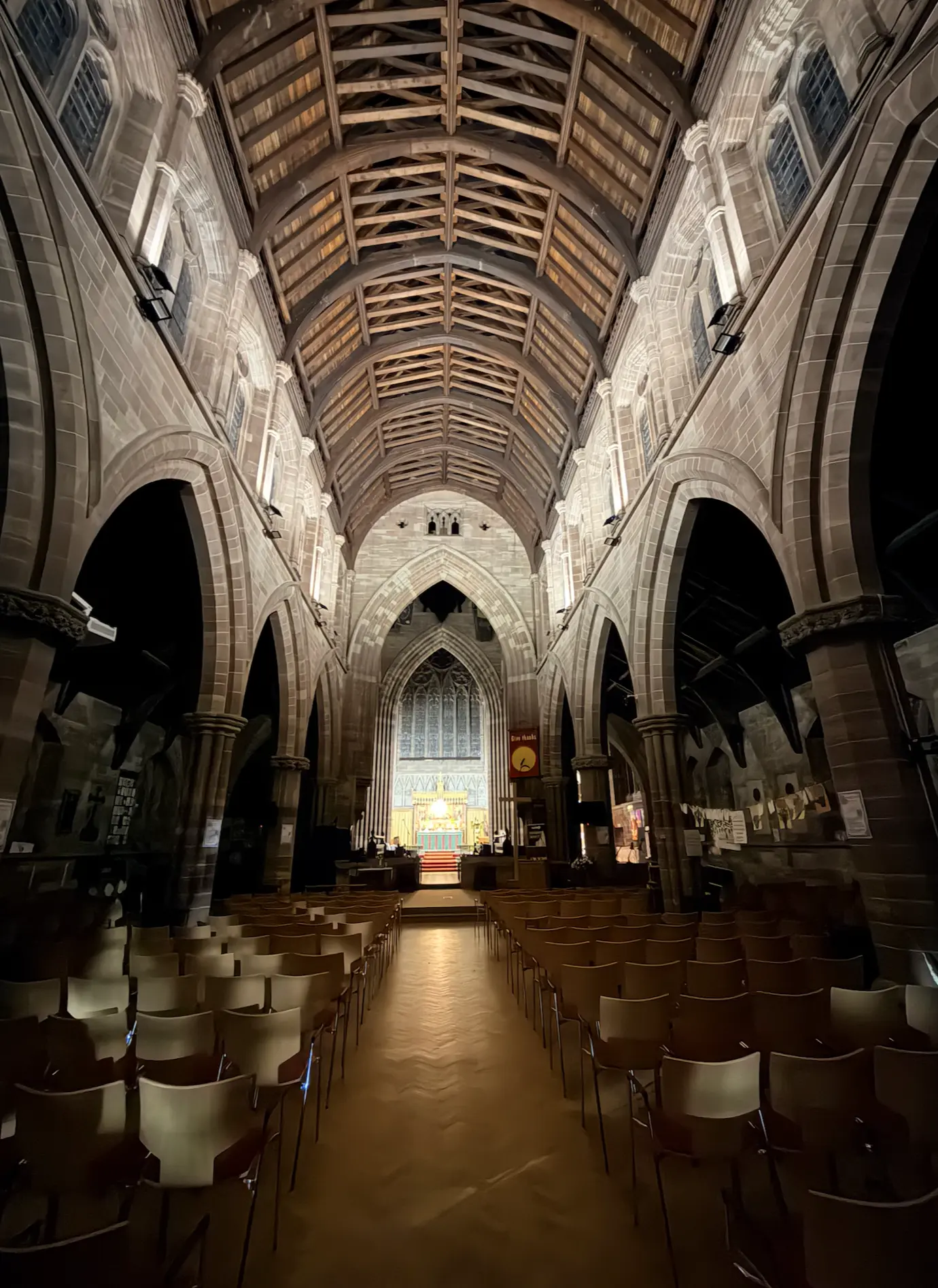
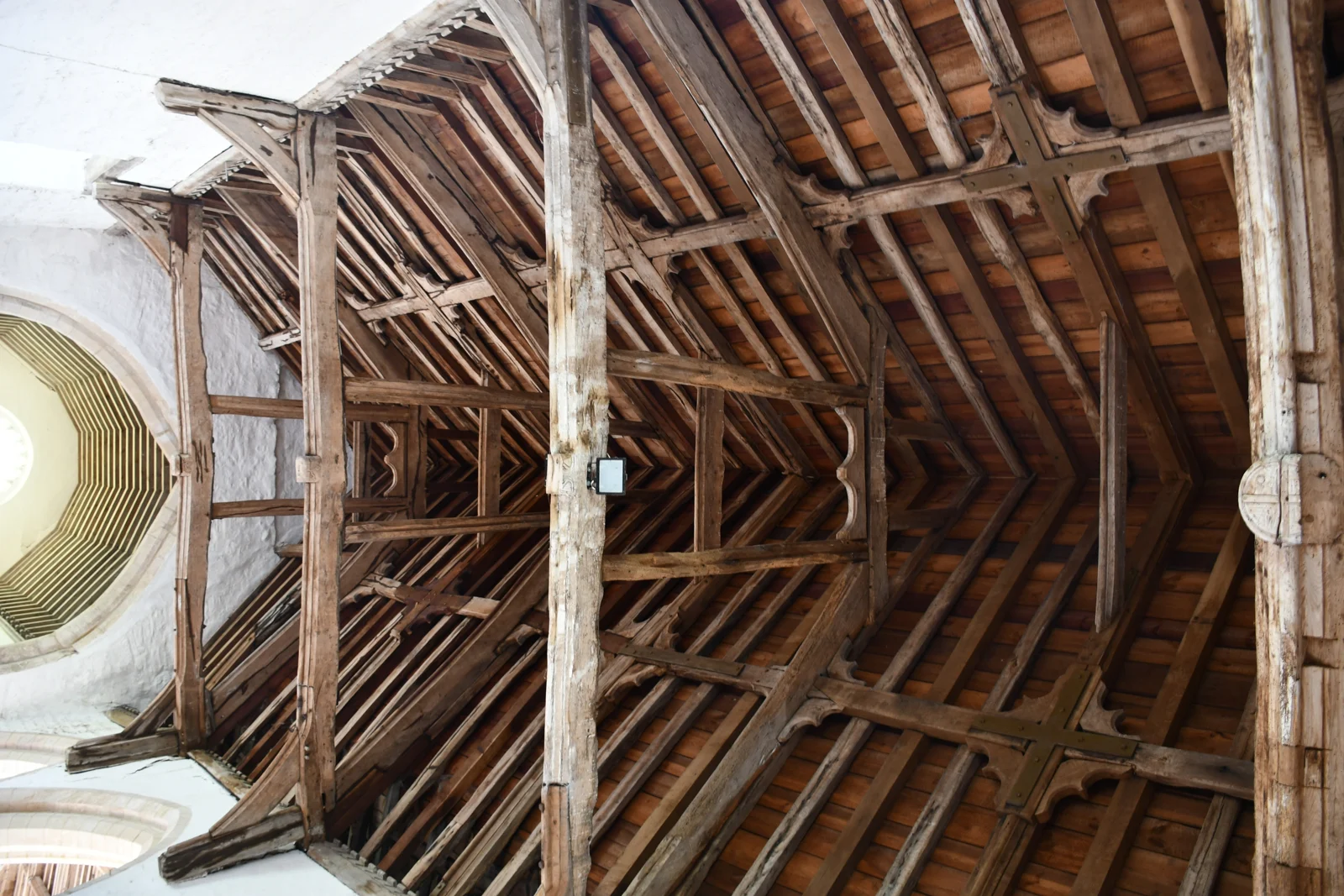
The UK has approximately 38,500 churches, chapels and meeting houses. Many are historic, architecturally complex and extraordinarily expensive to maintain.
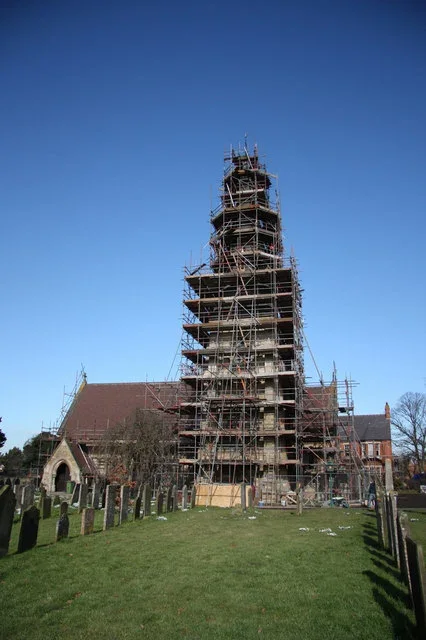
Yet repairing a church roof generates no additional income. Restoring a tower doesn't increase its commercial value. Replacing deteriorating stonework rarely improves the financial position of the congregation responsible for it.
A church with forty regular worshippers might be maintaining a building originally designed for several hundred.
The roof doesn't get smaller because the congregation has.
And unlike publicly funded community facilities, much of that financial responsibility falls upon a relatively small group of people.
So perhaps the question isn't simply how we afford to maintain our churches, but how we demonstrate the value they create.
What if we've got the relationship backwards?
There's a familiar conversation in church management that buildings can limit mission.
And there's truth in it. Money spent on repairs, insurance and heating cannot be spent elsewhere. An ageing building can consume enormous resources.
But the relationship works both ways.
What if investing in mission is actually one of the most effective ways of securing the future of the building?
Consider what happens when a church becomes an integral part of its wider community.
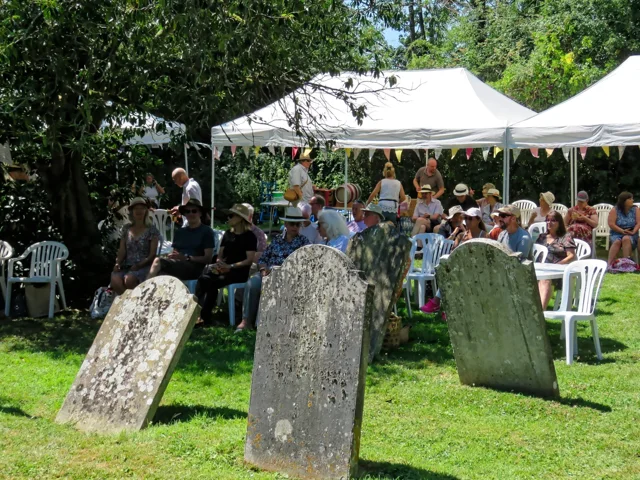
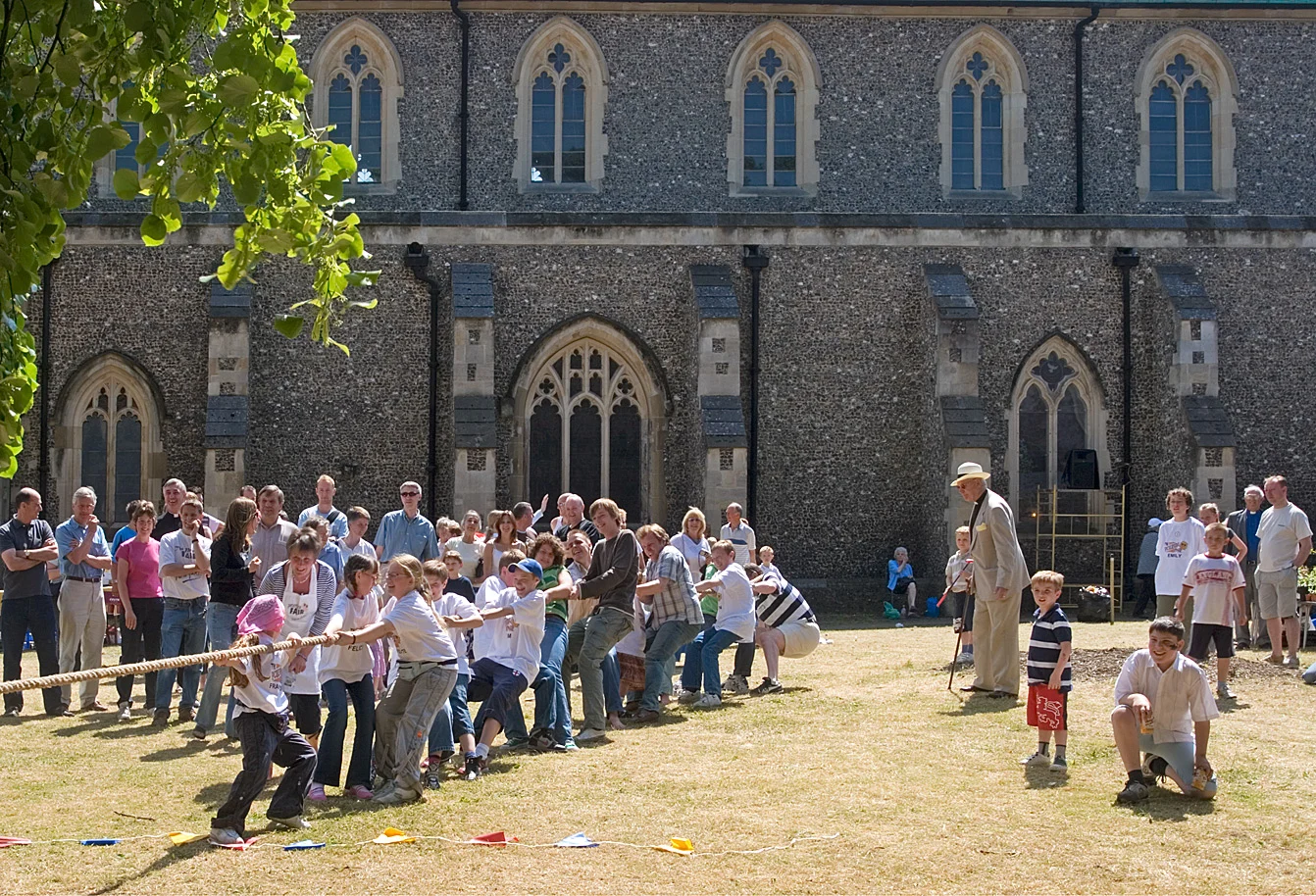
Preschool activities bring families through the doors. Scouts and Guides meet. Concerts, community events and support groups introduce people who might never otherwise enter the building.
Suddenly, the church matters to far more people than its Sunday congregation.
They use it. They value it. They develop a relationship with it.
And they have a reason to want it to survive.
This wider engagement can create opportunities for partnerships, volunteers, donations and external funding that might otherwise be unavailable.
The building becomes more than a place maintained by a congregation. It becomes an important piece of community infrastructure.
Putting a value on mission
One of the challenges for churches is that much of the value they create never appears in their accounts.
A youth group supports young people. A preschool helps working families. A community event brings people together. A welcoming space reduces isolation.
These activities have real value, even when they generate little or no financial return.
This is particularly relevant when considering investment in outreach, activities or additional staffing. The immediate financial return may be difficult to quantify, but that doesn't mean the investment has no measurable value.
The National Churches Trust's House of Good: Local calculator offers one way of understanding that wider contribution.
At Mossley Hill Church in Liverpool, a Grade II listed building with an extensive programme of community activities, the calculator produced an estimated annual social value of approximately £2 million
That isn't income, nor is it the value of the building. It is an estimate of the social and economic contribution generated through the church's activities.
But it changes the context of the investment conversation.
Rather than simply asking for help maintaining an expensive historic building, the church can demonstrate the value of the activities that building makes possible.
And that distinction matters.
Anyone involved in church grant applications will recognise how frequently funders ask about attendance, community engagement, building usage and the organisations benefiting from the facilities.
Heritage significance and building condition remain important, but demonstrating wider community benefit can substantially strengthen the case for investment.
The building may be what needs repairing. The people who benefit from it are often a compelling reason to fund the work.
A different approach to sustainability
Churches frequently face difficult choices between spending money on their buildings and investing in mission.
But perhaps these shouldn't always be viewed as competing priorities.
Investing in mission can increase community engagement. Greater engagement creates stronger relationships and a wider group of people who value the building.
Those relationships can support fundraising, partnerships and external investment.
That investment can then improve the building, allowing it to accommodate more activities and serve more people.
Mission creates value. Value attracts investment. Investment sustains mission.
Of course, not every church can or should become a busy community centre. A small rural church may have enormous historic, spiritual and cultural value without hundreds of weekly visitors.
Nor should community outreach ever become simply a means of raising money for building repairs.
But where opportunities for genuine engagement exist, recognising the relationship between mission and the long term sustainability of the building is important.
Maintaining our historic churches will always be challenging. No amount of community engagement will eliminate the need for specialist repairs, conservation funding or careful financial management.
But the future of these buildings may depend as much on the value they continue to create as on how efficiently we maintain them.
A church building has a cost. Its mission has a value.
And the stronger that value becomes, the more compelling the argument for investing in its future.
Invest in the mission. The building may well follow.
Understanding your church's social value
The National Churches Trust provides a free House of Good: Local calculator to help churches understand their wider social and economic contribution.
Spire & Stone provides independent project management, conservation and funding support for historic churches and community buildings.