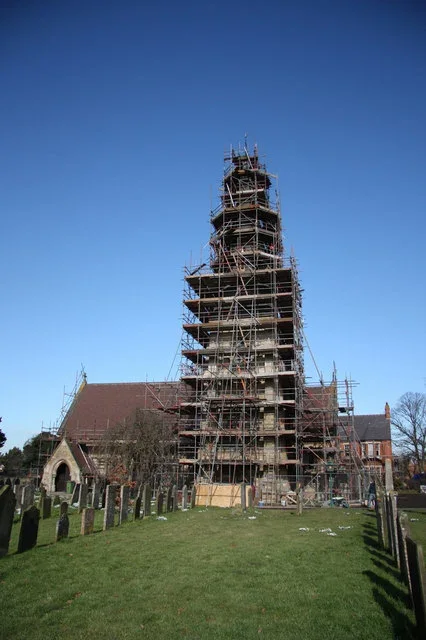
Church Buildings & Heritage
Stop Writing Grant Applications. Start Telling Your Church's Story.
Why the most compelling funding applications don't just explain what needs fixing. They explain why it matters.
Spire & Stone · 10 min read
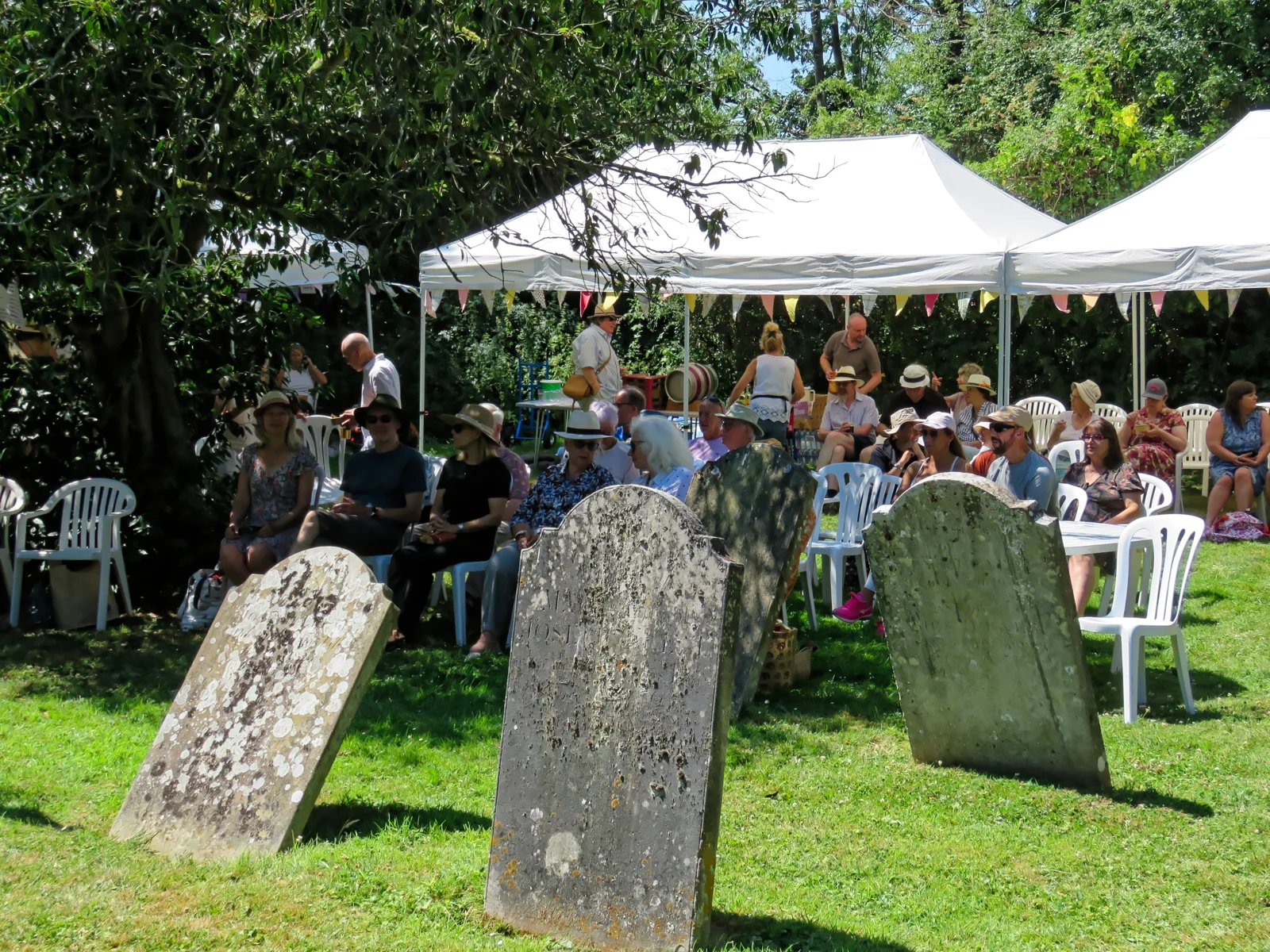
Imagine you're sitting across the table from someone who might give your church £50,000.
You're having a coffee. Perhaps a pint or a glass of wine.
They've asked you to tell them about your church, the work you're doing and why you need their support.
What would you say?
Would you begin by reading out the church's charitable objectives?
Would you explain that your organisation is committed to delivering positive outcomes through a strategic programme of community engagement?
Would you reach into your bag and produce the last five years of annual reports?
Probably not.
You'd tell them about your church.
You'd explain what makes it special. You'd talk about the people, the challenges, the things you're proud of and the things that keep you awake at night.
You'd explain what you want to achieve and why their help could make a genuine difference.
You'd probably show them a photograph or two.
And, importantly, you'd sound like a real person who cares deeply about the place.
So why, when we sit down to write a grant application, do we so often forget how to tell that story?
Buildings can limit mission. But mission can also sustain buildings.
Churches are often reminded that their buildings can become a burden.
They're expensive to heat.
Expensive to insure.
Expensive to maintain.
And, in some cases, increasingly difficult to adapt to the needs of modern congregations and communities.
The phrase "buildings can limit mission" is familiar to many people involved in church management.
And there's truth in it.
A building that consumes the majority of a church's resources can restrict what the church is able to achieve.
But there's another side to the argument.
The mission of a church can also be one of the strongest reasons for people to support the maintenance and improvement of its building.
Think about that for a moment.
Your building might be centuries old.
It might need substantial investment.
It might be Grade I or Grade II* listed.
But the building's significance doesn't lie solely in its architecture.
It also lies in how it is loved, cherished and used.
The people who gather there.
The organisations that depend on it.
The role it plays within its community.
The things that would be lost if the building could no longer fulfil that purpose.
Those are important parts of the story.
And they can be powerful reasons for funders, benefactors and communities to invest in its future.
Put yourself in the assessor's shoes
Imagine spending your working week reviewing funding applications.
Every organisation has a worthwhile cause.
Every project has a budget.
Every applicant believes their work is important.
And many applications begin to sound remarkably similar.
There's an ageing building.
There are repairs to undertake.
The organisation has limited funds.
The project will provide important benefits.
All perfectly legitimate.
But what makes this particular application worth remembering?
What helps the assessor understand why this church matters?
The answer isn't necessarily more elaborate language or a longer report.
It's often a clearer explanation of the people, place and purpose behind the project.
You don't simply want an assessor to understand the application.
You want them to understand why the building matters.
That doesn't mean substituting emotion for evidence.
It means using the evidence to support a story worth telling.
Every church has a different story
One mistake churches can make is assuming that a successful application needs to present a particular type of organisation.
Perhaps it needs to be a bustling community centre.
Perhaps it needs hundreds of weekly visitors.
Perhaps it needs to serve an area of significant deprivation.
Those circumstances may be important to particular funders.
But they aren't the only stories worth telling.
Consider three very different churches.
The little country church
A parish church stands in a rural hamlet.
Its congregation might number twenty people on a Sunday.
There isn't a café, an extensive community programme or a calendar full of concerts.
But the building has been part of village life for centuries.
It's where generations have celebrated marriages, baptisms and funerals.
It may be one of the few remaining public buildings in the village, an important landmark and a place connecting the present community with its history.
A small congregation works extraordinarily hard to maintain a building whose significance extends well beyond its Sunday attendance.
That's a story worth telling.
The church at the heart of a busy community
Another church opens its doors almost every day.
There are children's groups, community events, concerts, support activities and local organisations using its spaces.
Its congregation may be only one part of the wider community that depends on the building.
The roof repairs aren't simply about maintaining an old building.
They're about ensuring those activities have somewhere to continue.
The challenge is explaining that wider impact rather than simply listing activities.
Who uses the building?
Why do they come?
What difference does it make?
And what would happen if the building could no longer accommodate them?
That's a different story, but an equally compelling one.
The inner city church
Then there's a church serving a community facing significant social and economic challenges.
Perhaps it provides practical support for vulnerable people, creates opportunities for young families or offers a welcoming space where other community facilities have disappeared.
Its building may be expensive to maintain, difficult to heat and increasingly unsuitable for some of the activities taking place inside it.
An accessibility project, heating improvement or essential repair might allow the church to reach people who currently struggle to participate.
The story isn't simply that the building needs money.
It's about what that investment would allow the church and its community to achieve.
None of these churches is inherently more deserving than another.
Different funders have different priorities.
But every church should be able to explain its own circumstances honestly, confidently and in a way that reflects what makes it special.
Your greatest asset might not be the building
For some funding programmes, the heritage significance of the building will be central.
Architectural importance, historical associations, rare features and conservation needs can all provide compelling reasons for investment.
But for other funders, the strongest case may come from the people and activities associated with the building.
A thriving programme of community events.
Support for families.
Activities for young people.
A warm and welcoming space.
A place for music, learning, friendship and practical support.
The building provides the setting for those activities.
But the activities themselves demonstrate why maintaining that setting matters.
Churches sometimes underestimate this.
They see their community work as something separate from the responsibility of maintaining the building.
Yet the connection between the two can be fundamental to a convincing funding case.
A roof repair may protect a historic structure.
It may also protect the space where hundreds of people gather throughout the year.
Those aren't competing arguments.
They're two parts of the same story.
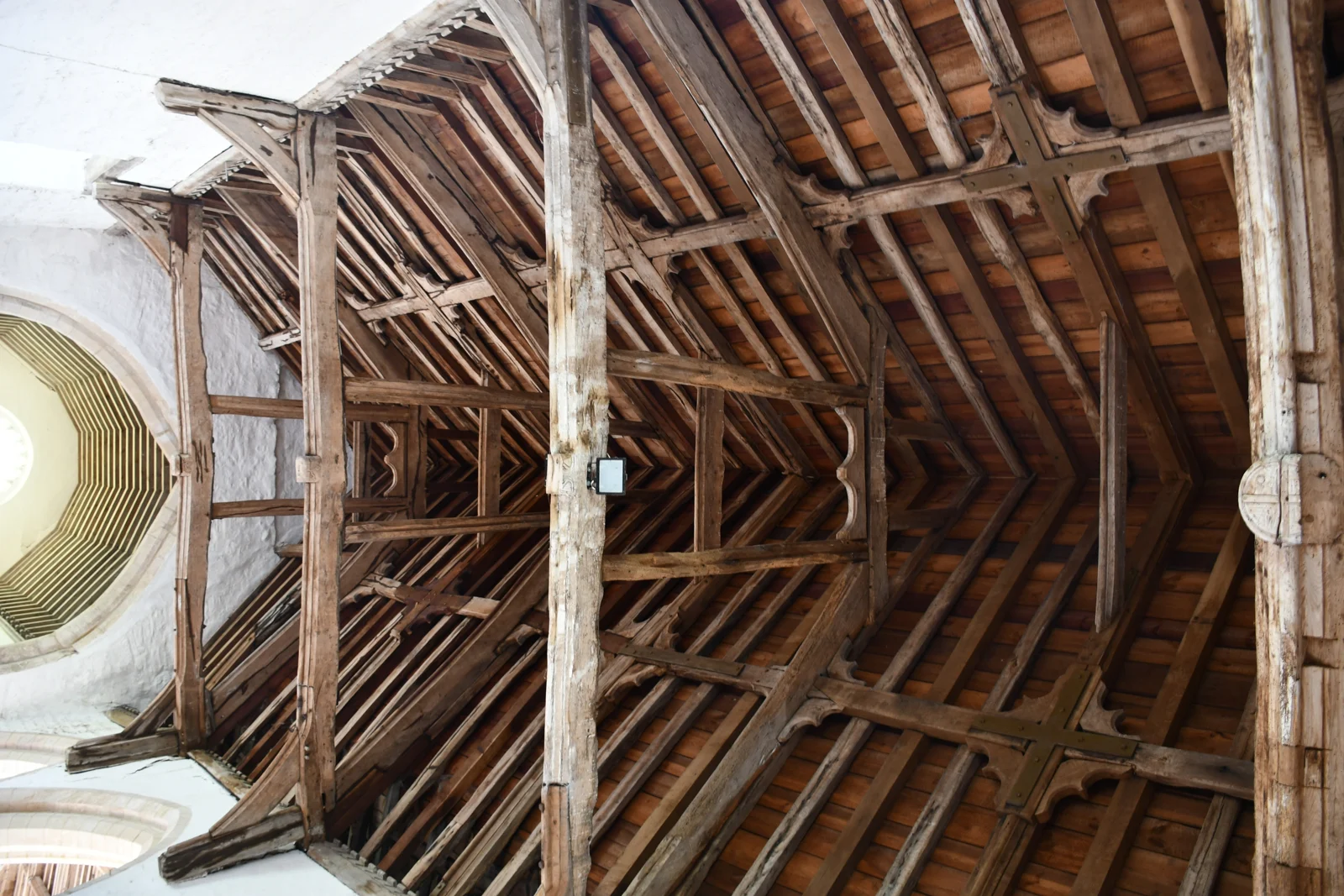
Tell the story, then prove it
A compelling application needs more than enthusiasm.
If you say your church is central to the community, demonstrate how.
If you describe increasing demand, explain what evidence supports that.
If you believe a project will improve access, identify the current barriers and the difference the proposed improvements are expected to make.
Useful evidence might include records of building usage, visitor numbers, community activities, volunteer contributions, photographs and statements from organisations that use the church.
It's also worth understanding the wider social and economic value that church activity can create.
The National Churches Trust's House of Good: Local provides a framework for exploring that contribution.
These types of estimates aren't the same as income, and they should never be presented as guaranteed financial benefits.
But they can help funders understand that the value of a church often extends far beyond the size of its Sunday congregation.
The point is to connect the human story to credible evidence.
Don't forget the actual building project
There is, of course, a danger in becoming so enthusiastic about the church's story that the application forgets what the money is for.
The funder still needs confidence in the proposed work.
What's the problem?
Why is the proposed solution appropriate?
Has the scope been professionally assessed where necessary?
Is the budget realistic?
Have relevant permissions been considered?
Does the organisation have the capacity to deliver the project?
And how will the church maintain the building once the project is complete?
A strong story can make an application memorable.
A sound project makes it credible.
You need both.
The ten minute coffee test
Here's a simple exercise.
Put the application form to one side.
Imagine meeting someone who has never visited your church.
They have ten minutes to listen.
Could you explain what makes your church special?
Who depends on it?
What does it contribute to the community?
What problem are you trying to solve?
And what would change if the project succeeds?
Could you answer those questions naturally, without reading from a report?
If you can, you've probably found the foundations of your story.
Now make sure the application tells it, while meeting the funder's actual eligibility and assessment requirements.
You're inviting somebody to become part of the story
Grant funding is competitive.
There will always be more worthwhile projects than money available.
No amount of storytelling can guarantee success, and a beautifully written application won't overcome a poor fit with a funder's priorities.
But a clear, authentic explanation of the church's significance and contribution can help an assessor understand why a project deserves consideration.
Remember that the assessor may never have visited your church.
They haven't met the people who look after it.
They may not know the village, neighbourhood or community you serve.
And they may have only a limited amount of time to understand why the project matters.
Your job is to bring that place to life.
Explain the problem.
Show that you've thought carefully about the solution.
Demonstrate that the budget and delivery plans are credible.
But above all, let them see the people, purpose and personality behind the application.
Because you're not simply asking somebody to contribute towards a building.
You're inviting them to become part of its story.
How Spire & Stone can help
At Spire & Stone, we help churches prepare credible building projects and compelling grant applications.
Our approach combines construction and project management expertise with an understanding of church governance, funding and the communities these buildings serve.
We can help establish realistic budgets, coordinate technical information, identify suitable funding opportunities and bring together the evidence needed to demonstrate both the necessity of the work and its wider benefits.
Sometimes an independent perspective helps identify where the real story has become buried beneath technical descriptions and funding terminology.
Buildings can support mission. But mission can also help secure the future of buildings.
That relationship deserves to be at the heart of how churches explain their need for investment.
Every church has a story worth telling. If you're preparing a church building grant application, Spire & Stone can help you bring that story and the practical project together.