Church Buildings & Heritage
Your Quinquennial Report Has Arrived. Now What?
Turning a daunting list of church repairs into a manageable plan, without losing the will to live.
Spire & Stone · 8 min read
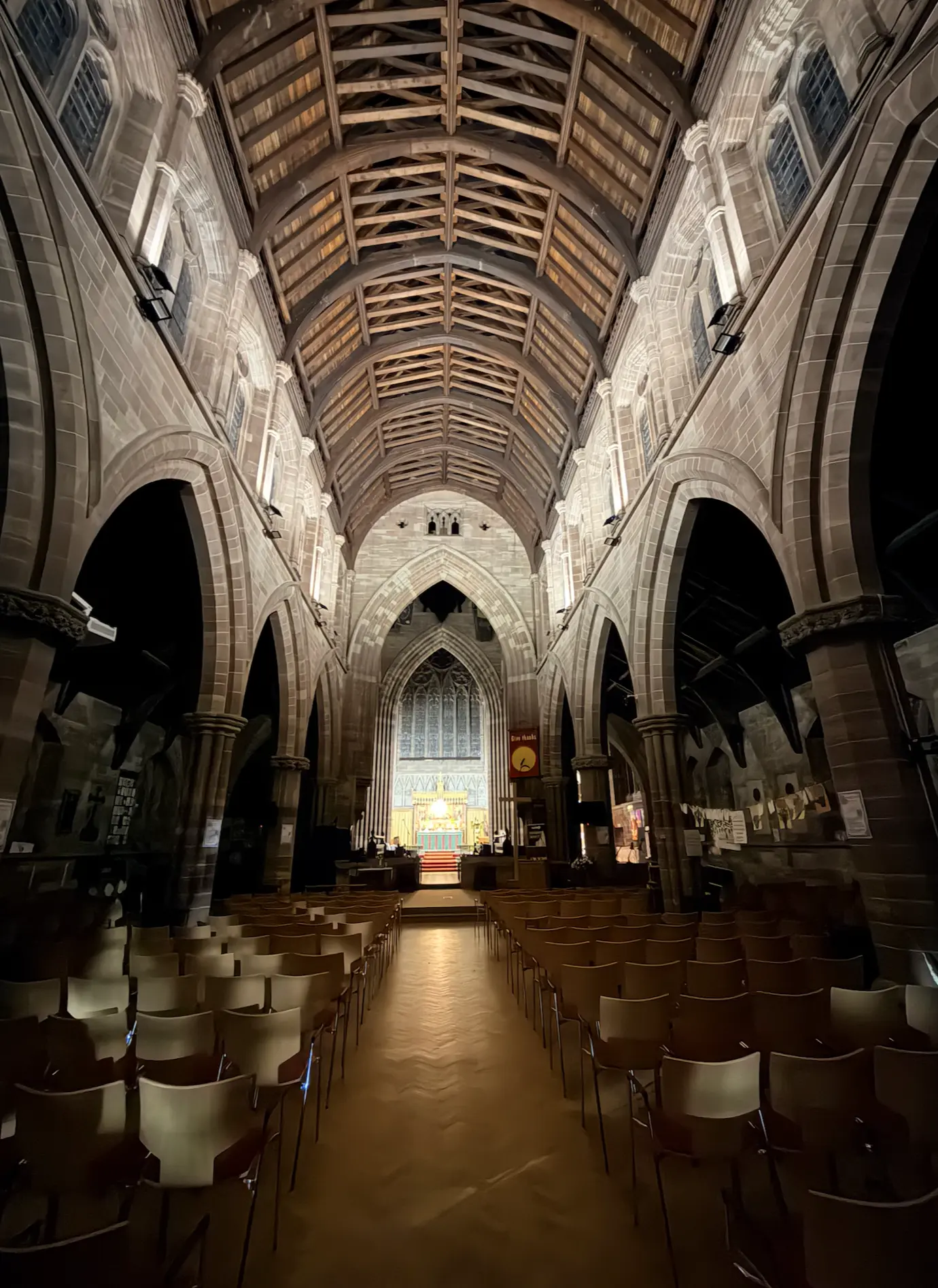
Church buildings operate under what must be one of the more unusual property management arrangements in Britain.
Every five years, your church receives a professional inspection report identifying defects, recommended repairs and potential maintenance problems.
The report might identify £250,000 of work.
The church might have £8,000 in its buildings fund.
And the people responsible for working out what happens next are quite possibly a retired teacher, an accountant who joined the PCC six months ago and a churchwarden who thought they were volunteering to help with Sunday services.
Welcome to church property management.
Of course, this is a slightly unfair caricature. Diocesan advisers, inspecting architects and surveyors provide valuable professional support, often while managing enormous workloads themselves.
But the underlying challenge is very real.
Some of the country's most complicated historic buildings are cared for by small groups of committed people with limited time, competing responsibilities and sometimes very little practical experience of managing property.
The challenge isn't simply understanding the report. It's turning it into something that can actually be delivered.
The report isn't the plan
A quinquennial inspection is a periodic professional assessment of your church building's condition, normally undertaken every five years by a suitably qualified and experienced inspector.
It identifies defects, recommends action and gives the parish an informed assessment of its building.
It is an essential document.
But it isn't necessarily a complete maintenance programme, a detailed project budget, a fundraising strategy or a procurement plan.
It doesn't always tell you which repairs could be grouped together, how to find appropriate contractors, where the money might come from or who is going to coordinate the process.
And that isn't a criticism of the inspecting professional. Those things aren't generally the purpose of the inspection.
The report identifies the problems. The PCC still needs to establish how to deal with them.
The Church of England provides useful guidance on quinquennial inspections.
You don't need to do everything. You need to know what everything is.
The first challenge is to establish control over the information.
Which defects are urgent?
Which need further investigation?
Which are routine maintenance?
Which might be dealt with relatively inexpensively?
Which require substantial funding?
The inspecting professional will usually have recommended priorities and timescales. Those should remain visible, particularly where there are safety concerns or risks of deterioration.
But having identified the priorities, the next task is to establish what happens next.
And here is where the simplest possible approach can be remarkably effective.
Turn the report into a live Works Register
This is arguably the single most useful thing a PCC can do after receiving a quinquennial report.
Take the recommendations and put them into a simple register.
A spreadsheet will do perfectly well.
Record the issue, location, original priority, person responsible and current position.
But above all, record one thing:
What's the next action?
Not the ultimate solution.
Not the date the whole project will be finished.
Not an elaborate sequence of fifteen tasks that might or might not happen.
Simply, what's next?
For example:
| Issue | Next action |
|---|---|
| Defective roof flashing | Ask inspecting architect whether a temporary repair is appropriate |
| Blocked ground level gully | Arrange clearance |
| Tower masonry deterioration | Obtain indicative cost of further investigation |
| Heating system approaching end of life | No action at present; review before next heating season |
| Historic windows requiring repair | Contact two suitable contractors |
That's a perfectly respectable Works Register.
A recommendation for £150,000 of tower repairs doesn't need to become a fully developed conservation project this afternoon.
Its next action might simply be to obtain an estimate for a closer inspection.
Once that's done, record the next action.
And then the next.
This is how complicated projects begin to move.
Sometimes the next action is no action
That might sound rather odd in an article about getting things done.
But doing nothing can be a perfectly reasonable decision, provided it's an informed decision.
Perhaps a defect is stable.
Perhaps a repair can reasonably be grouped with another project.
Perhaps the church needs to wait until a particular survey has been completed.
Or perhaps the PCC has deliberately decided to defer an improvement because there are more urgent demands on its resources.
Record that decision.
Ideally, note why, who agreed it and when it should be reconsidered.
If an item has been identified as urgent by the inspecting professional, any delay should be discussed with them and appropriate interim risk management agreed.
The difference between sensible deferral and neglect is that one is deliberate, considered and recorded.
The other is simply forgotten.
Don't make the register another project
There's a temptation, particularly when introducing a new management system, to spend weeks designing the perfect spreadsheet.
Colour coded priorities.
Complex formulas.
Dashboards.
Automated reports.
An impressive collection of tabs that nobody understands.
Resist the temptation.
The objective isn't to create a wonderful register.
It's to make things happen.
A useful register should allow a churchwarden or fabric committee member to open it and immediately see what needs attention and what somebody is supposed to do next.
If a task has been completed, update it.
If the next action has changed, update it.
If the PCC has decided to do nothing for now, record that.
You can always make the system more sophisticated later.
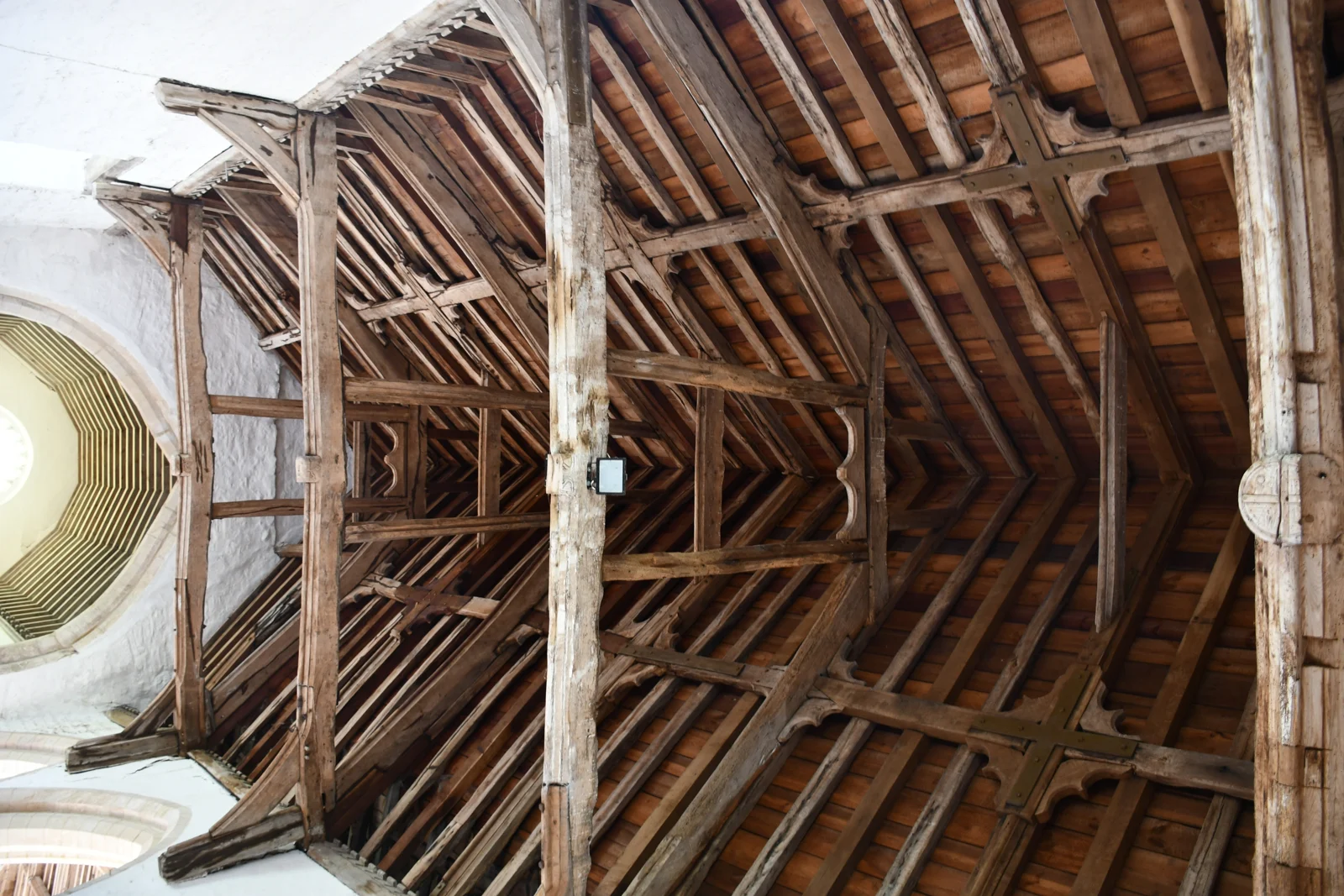
Group related repairs into sensible projects
A quinquennial report might identify defective pointing, leaking rainwater goods and deteriorating masonry on the same elevation.
These may appear as three separate recommendations.
But they may make more sense as one coordinated repair project.
Scaffolding, professional advice and contractor attendance can all be expensive.
Combining related works can reduce duplication and make better use of the church's resources.
Equally, a major tower restoration programme might take years to fund and deliver. That shouldn't necessarily prevent smaller maintenance projects elsewhere from progressing.
The skill is understanding which things belong together and which should be treated separately.
Church Standard Time
Anyone who has worked with churches knows that building projects sometimes move at a pace unfamiliar to the commercial property world.
A fabric committee discusses a proposal.
The PCC considers it six weeks later.
The diocese needs to be consulted.
A contractor takes another month to provide a price.
Then somebody goes on holiday.
Before you know it, Christmas is approaching.
That isn't necessarily a failure of governance.
Churches have particular responsibilities and rely heavily on people giving their time alongside other commitments.
The answer is to plan around that reality.
A major conservation programme may take many years. That's not automatically a problem, provided urgent risks are managed and there's a credible route towards addressing the remaining work.
Having a next action for each item means that progress can continue between those longer decision making processes.
Celebrate the smaller successes
There's a natural tendency to focus on the largest and most alarming recommendations.
The tower needs £150,000.
The roof needs £80,000.
The heating system needs replacing.
Those are important problems, but they can be so daunting that everything else becomes paralysed.
Meanwhile, a modest repair or a blocked drain may be relatively straightforward to address.
Historic England's guidance on maintaining places of worship makes a strong case for regular maintenance and prompt attention to defects.
Small jobs matter.
They prevent deterioration, build confidence and demonstrate that the parish is actively looking after its building.
They also give somebody something rather satisfying to report at the next PCC meeting.
A completed job.
Imagine that.
Keeping everything together
A Works Register is most useful when it connects to the documents, decisions, quotations and photographs relating to each item.
A spreadsheet and shared drive may be entirely sufficient.
FaithSpaces is a church building and project management platform designed to help parishes organise maintenance, projects, records and decisions in one place.
Whatever system you choose, make sure the people who need the information can find it and understand what happens next.
From report to reality
At Spire & Stone, we help churches translate quinquennial reports into practical programmes of work.
That might mean reviewing priorities, establishing a simple Works Register, obtaining prices, developing budgets, preparing funding applications or coordinating a substantial conservation project.
It doesn't always require an expensive or complicated appointment.
Sometimes a few hours of independent input can help a PCC understand its options, agree priorities and establish a manageable way forward.
The next quinquennial inspection shouldn't be the occasion when you rediscover the last one.
And you don't need to know how every problem will eventually be solved.
You just need to know what happens next.
If your church has received a quinquennial report and isn't sure where to begin, talk to Spire & Stone.